The Irish Red and White Setter, a breed steeped in centuries of history, has captivated dog enthusiasts with its striking appearance and unwavering loyalty. Originating in 17th-century Ireland, these dogs were initially developed as versatile hunting companions, adept at locating game birds by scent and "setting"—crouching motionless to signal their position—a technique honed long before firearms became prevalent 116. Their distinctive red-and-white coat, designed for visibility in diverse terrains, made them indispensable to hunters, particularly when working at a distance 19
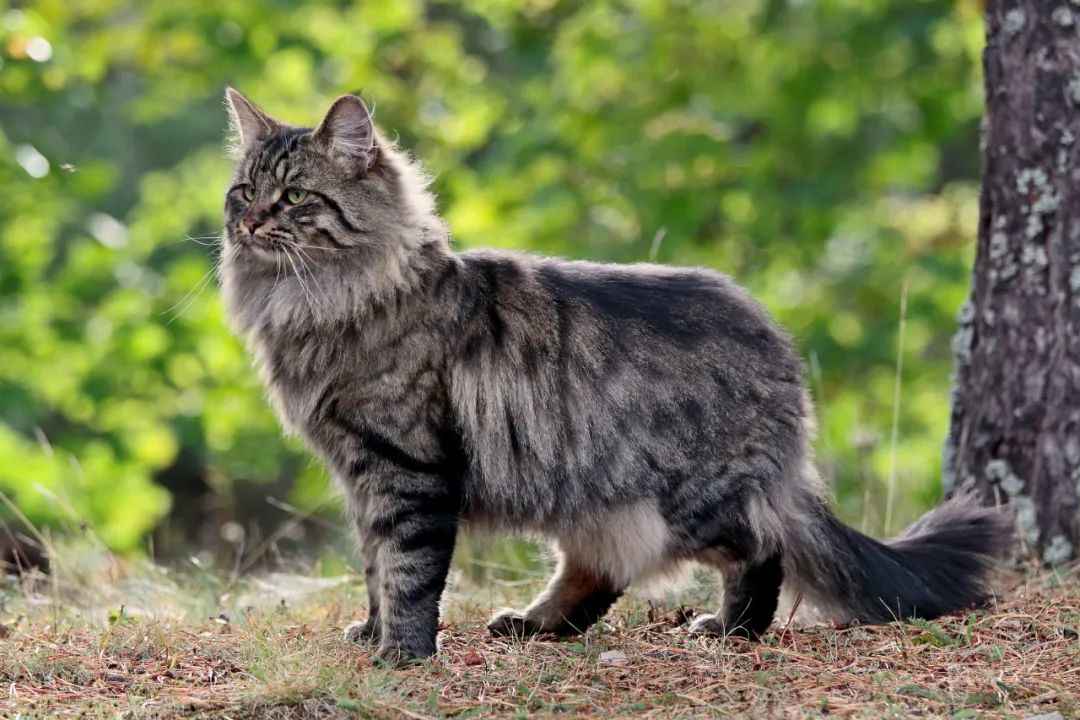
The Norwegian Forest Cat, affectionately called "Wegies," is a breed shrouded in mystery and historical intrigue. Originating from Norway’s ancient forests, these cats are believed to have arrived with Vikings over a millennium ago, descending from Turkish Angoras and local shorthaired cats. Their thick, water-resistant double coats evolved to withstand Scandinavia’s harsh winters, while Norse mythology elevates them to legendary status—most famously as the chariot-pulling companions of the goddess Freyja
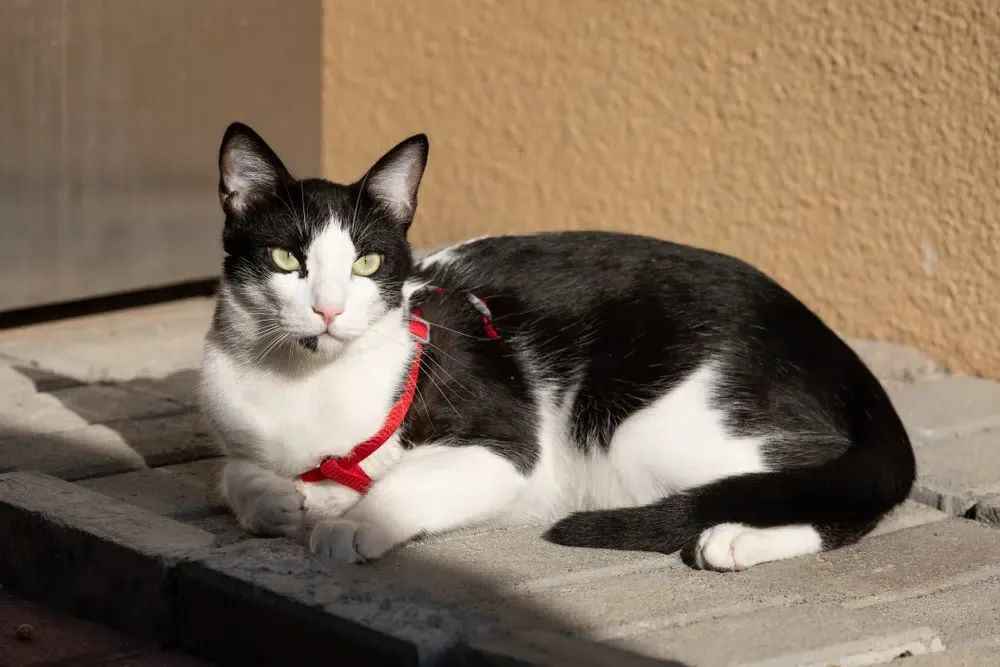
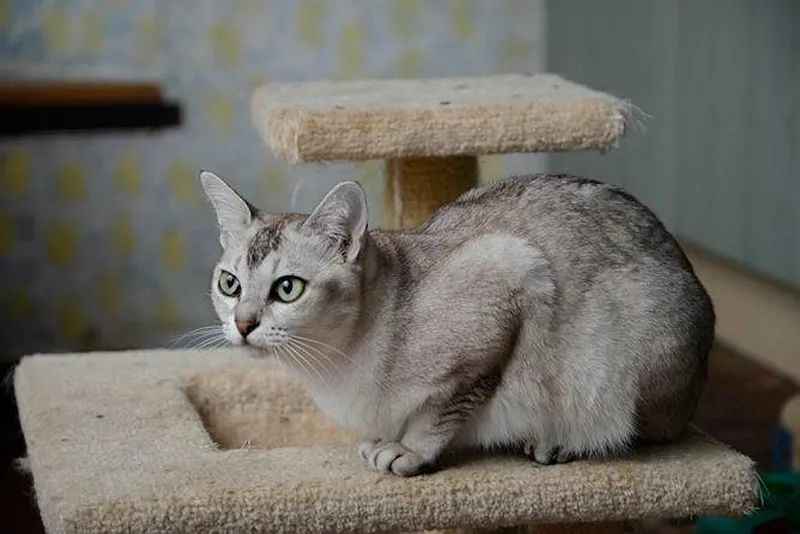
The Arabian Mau, a distinctive cat breed native to the Arabian Peninsula, has long been an integral part of the region's cultural fabric. Renowned for its adaptability to harsh desert climates, this feline boasts a sleek, medium-sized body with a short coat that comes in a variety of colors, including tabby, solid, and bi-color.
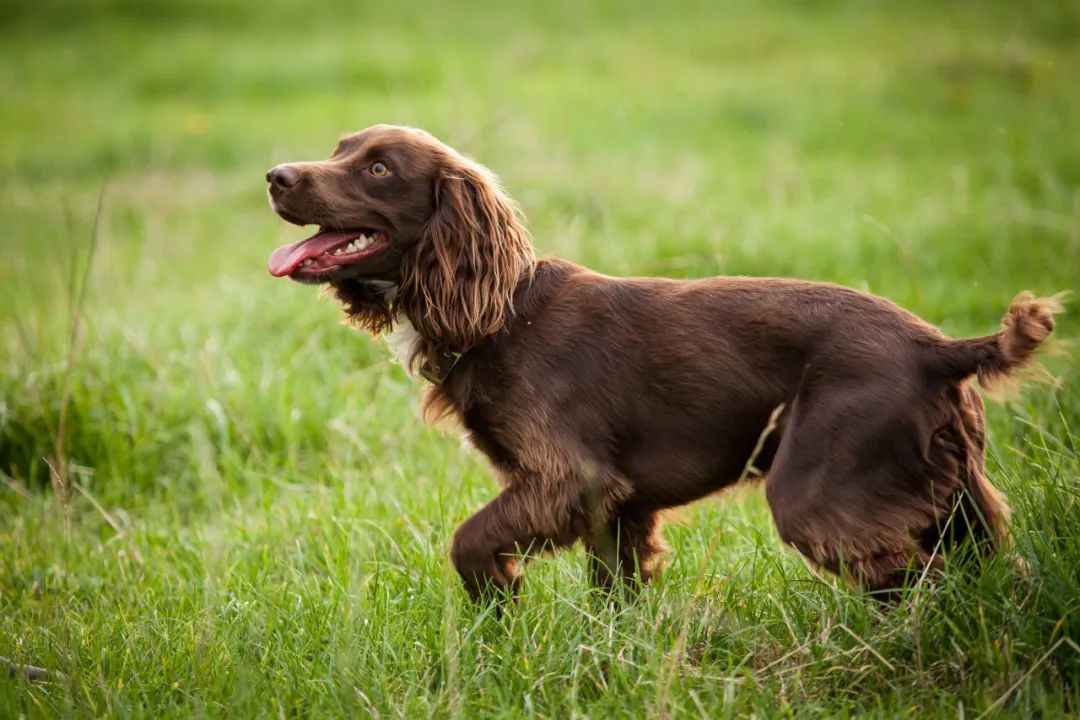
The Boykin Spaniel, affectionately known as the "Little Brown Dog," is a breed deeply rooted in South Carolina’s history and culture. Originating in the early 1900s, its story begins with a stray dog named "Dumpy," found by Alexander White in Spartanburg. Recognizing Dumpy’s hunting potential, White entrusted the dog to his friend Lemuel Whitaker Boykin, whose breeding program—incorporating Chesapeake Bay Retrievers, Springer Spaniels, and American Water Spaniels—gave birth to the Boykin Spaniel. In 1985, the breed was designated South Carolina’s official state dog, and it earned AKC recogniti
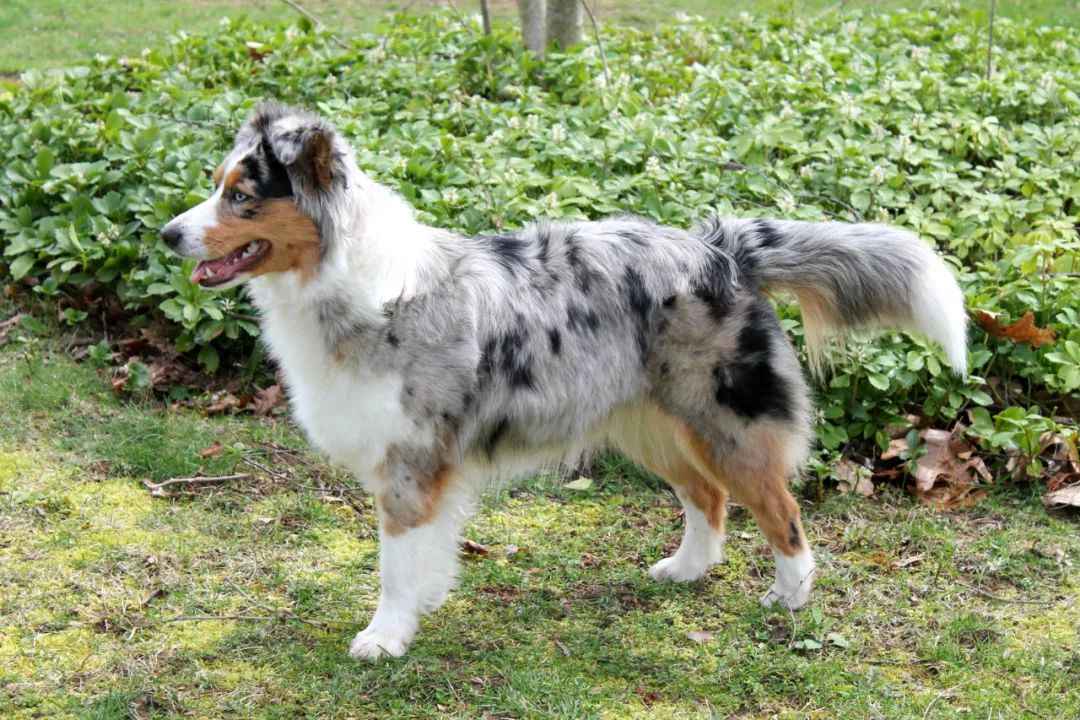
The Miniature American Shepherd, originating in the United States during the 1960s, was developed by selectively breeding smaller Australian Shepherds to create a compact herding dog suitable for both ranch work and family life. Initially known as the "Miniature Australian Shepherd," the breed was officially recognized by the American Kennel Club (AKC) in 2015 under its current name. These dogs stand 13 to 18 inches tall at the shoulder and weigh 20 to 40 pounds, featuring a medium-length double coat in colors such as black, blue merle, red, and red merle, often with white or tan markings
Asia, a cradle of diverse feline heritage, has given the world some of the most beloved cat breeds, each boasting unique traits shaped by centuries of regional culture and environment. These breeds, celebrated for their distinct appearances and personalities, continue to captivate cat enthusiasts worldwide.
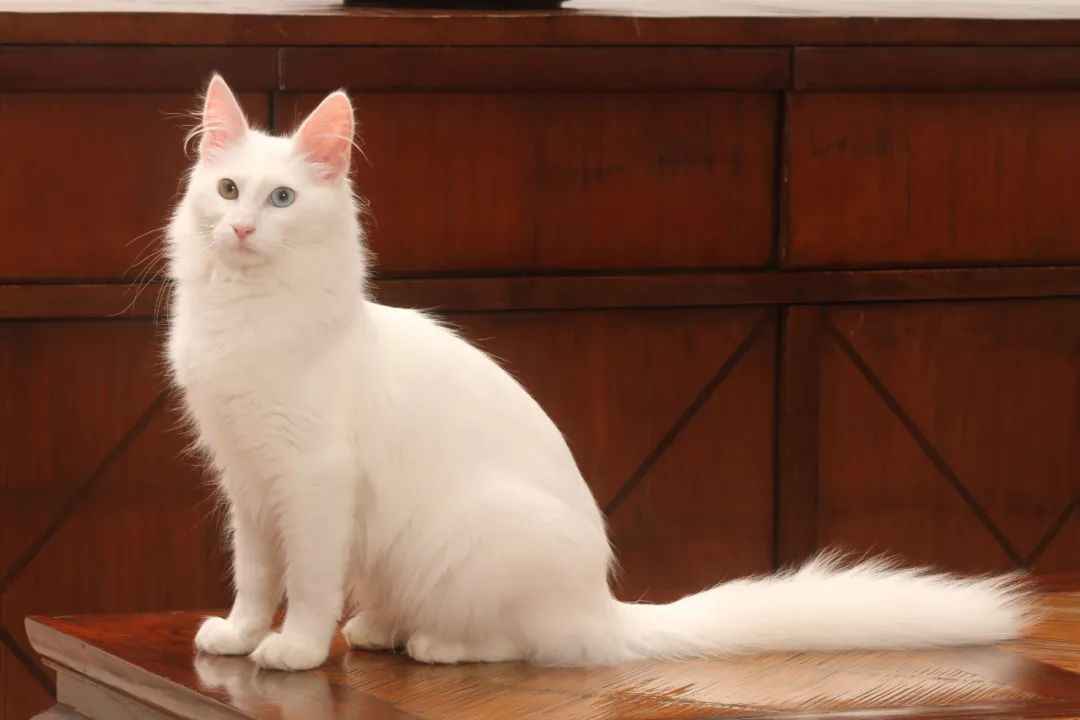
The Turkish Angora, a breed steeped in history and elegance, has captivated hearts for centuries with its striking appearance and regal demeanor. Originating from Ankara, Turkey (formerly Angora), this ancient longhair breed is believed to be the ancestor of many modern longhaired cats. Once on the brink of extinction, it was saved by dedicated conservation efforts, including a 1930s breeding program initiated by the Turkish government, which focused on preserving the iconic white-coated variety. Today, it stands as a national treasure, celebrated for its beauty and cultural significance.
A Sino-German research team led by the Yunnan Observatory of the Chinese Academy of Sciences has discovered a "super-Earth" orbiting a Sun-like star, marking a breakthrough in exoplanet detection. Named Kepler-725c, the planet has a mass 10 times that of Earth and resides in the habitable zone of its host star, where liquid water—and potentially life—could exist. The findings, published June 3 in Nature Astronomy, represent the first use of transit timing variation (TTV) inversion to identify such a planet in a Sun-like star’s habitable zone .
At a distance of 240 million light-years, the Perseus Cluster (Abell 426) stands as a colossal cosmic metropolis, hosting over 1,000 galaxies within its bounds and revealing 100,000 more distant galaxies in its backdrop—some as far as 10 billion light-years from Earth. This gravitational behemoth, captured in detailed astrophotography, serves as a prime laboratory for scientists decoding how dark matter shapes the universe’s structure.
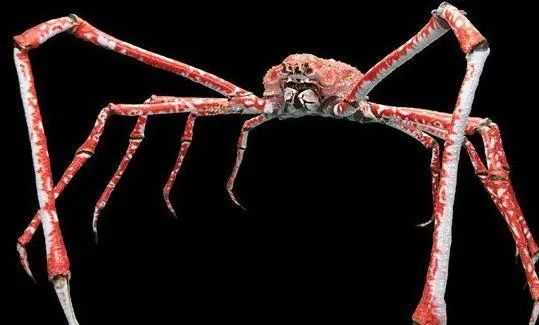
As the largest crab species on Earth, it belongs to the spider crab family and has adapted to life on the ocean floor, where it navigates the harsh environment with its distinct crawling motion, resembling a giant, otherworldly spider.
With their ethereal, translucent bodies and eight rows of ciliated plates that resemble combs, comb jellies, or ctenophores, are among the most captivating creatures in the marine world. These delicate organisms have earned their name from these distinctive "comb plates," which shimmer with iridescent hues as they move through the water.